Businesses that ship products regularly often face an important decision: should a shipment be sent through a courier service or by freight? While both options are part of the logistics industry, they serve different purposes and are designed for different shipping requirements. Choosing the right method can help improve operational efficiency, manage transportation costs, and ensure products reach their destinations according to business needs.
As supply chains become more complex and e commerce continues to grow, understanding the difference between courier and freight services is increasingly important for businesses of all sizes. This guide explains how each service works, when to use them, and what factors should be considered before making a shipping decision.
Understanding the Difference Between Courier and Freight Services
Although courier and freight services both transport goods, they are intended for different shipment types.
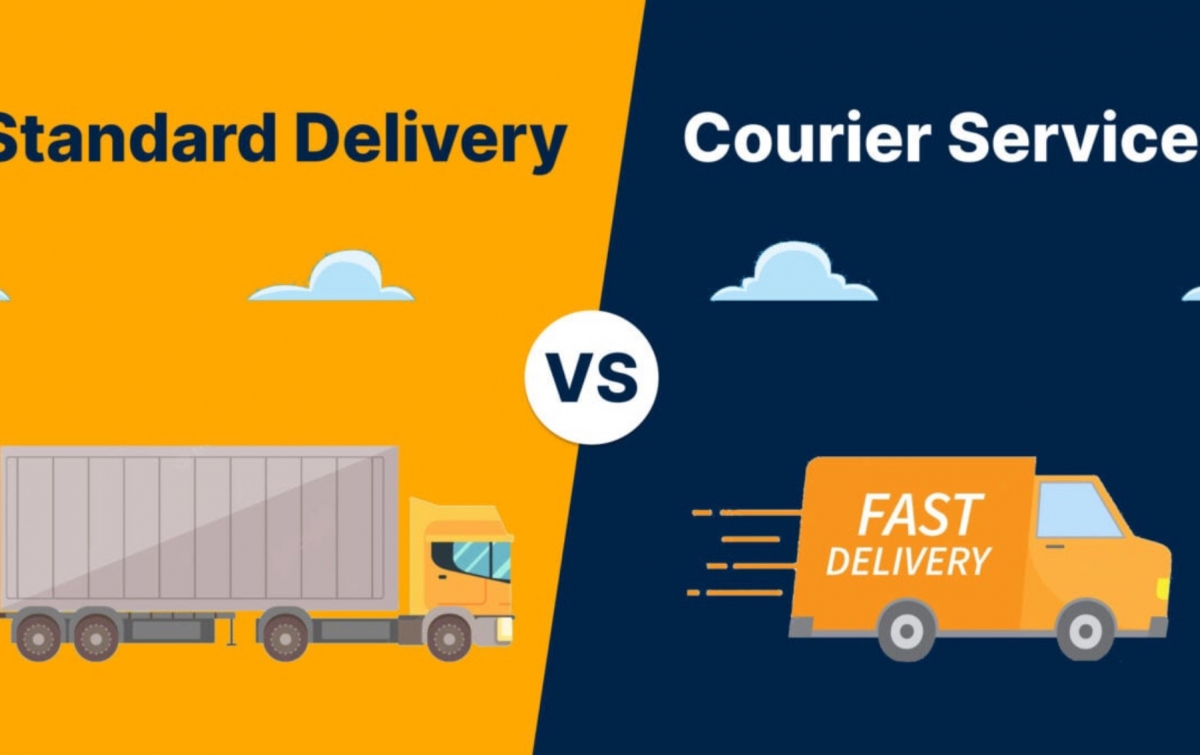
Courier services are generally designed for smaller parcels and documents. They focus on fast delivery, door to door transportation, and detailed shipment tracking. Depending on the provider, courier shipments usually fall within standard parcel weight limits, making them ideal for everyday commercial deliveries.
Freight services, on the other hand, are intended for larger shipments such as pallets, containers, or bulk cargo. Instead of focusing on individual parcels, freight operations prioritize moving larger volumes efficiently through road, sea, or air transportation. Pricing is commonly based on shipment weight, volume, or a combination of both.
Neither option is universally better. The most suitable choice depends on shipment size, delivery urgency, destination, and overall transportation costs.
When Courier Services Are the Right Choice
Courier services are often the preferred solution when businesses need to send smaller shipments quickly and efficiently.
Common situations where courier services are appropriate include:
- Small parcels that fall within standard shipping limits
- Time sensitive deliveries
- Individual customer orders
- Multiple delivery destinations
- Shipments requiring detailed tracking
Courier networks are particularly valuable for e commerce businesses because every order is delivered directly to individual customers. Many businesses looking for a courier service in Singapore rely on these services to support daily order fulfillment while maintaining visibility throughout the delivery process.
When Freight Services Make More Sense
Freight transportation becomes the better option when shipments exceed the limitations of standard courier networks.
Freight services are commonly used for:
- Bulk inventory transfers
- Large commercial shipments
- Manufacturing supplies
- Warehouse replenishment
- Heavy or oversized cargo
Businesses typically choose freight when transportation costs per unit become more important than delivery speed.
Air Freight
Air freight is commonly selected for international shipments that require shorter transit times. Although it generally carries higher transportation costs, it is suitable for high value products or goods that require faster delivery.
Sea Freight
Sea freight is widely used for transporting large cargo volumes across international markets. While transit times are longer than air transportation, it offers a more economical option for businesses moving bulk shipments over long distances.
Land Freight and Trucking
Road transportation remains an essential part of regional logistics, particularly across Southeast Asia. Trucking services connect ports, warehouses, distribution centers, and retail locations, making them a practical solution for domestic and cross border deliveries.
Why Many Businesses Use Both Courier and Freight Services
Many organizations benefit from combining both shipping methods within the same supply chain.
For example, a retailer may import inventory through freight services before storing products in a warehouse. Once customers place individual orders, those products are delivered using courier services.
This combination supports efficient inventory movement while allowing businesses to provide convenient last mile delivery to customers.
RR Express is a logistics and courier service company with over 15 years of experience in domestic distribution, delivery, and freight solutions. Founded in 2013, the company serves businesses across Singapore, Australia, the United Kingdom, and Southeast Asia. By working with established retailers and partnering with major third party logistics providers, air cargo operators, and sea freight companies, RR Express supports both domestic and international transportation requirements through integrated logistics solutions.
Comparing Shipping Costs
Cost is often one of the most important considerations when selecting a shipping method.
Courier services generally use straightforward pricing based on parcel weight and dimensions, making shipping expenses easier to estimate for smaller deliveries.
Freight services typically involve additional factors such as shipment volume, cargo consolidation, transportation routes, and fuel costs. Although freight pricing may appear more complex, it often becomes more cost effective for businesses transporting larger quantities of goods.
Instead of assuming one option is always less expensive, businesses should compare shipping requirements, delivery timelines, and transportation costs before selecting the most appropriate service.
How to Choose the Best Shipping Option
Selecting between courier and freight services starts with understanding your business's shipping patterns.
Businesses that primarily deliver individual customer orders usually benefit from courier services because they provide faster parcel handling and flexible delivery options.
Companies that frequently transport inventory between warehouses, suppliers, or retail locations often find freight transportation more suitable due to its ability to handle larger shipment volumes efficiently.
Organizations with diverse shipping needs may benefit from working with a logistics provider that offers both courier and freight services. This approach simplifies transportation management by allowing shipments to be assigned to the most appropriate delivery method without coordinating multiple service providers.
Frequently Asked Questions
What is the typical weight limit for courier shipments?
The exact limit varies between logistics providers, but courier services generally handle shipments ranging from small documents to parcels weighing approximately 30 to 70 kilograms. Larger shipments are usually transported through freight services.
Is freight shipping always less expensive than courier delivery?
Not necessarily. Freight transportation often provides better value for bulk shipments, while courier services are typically more economical for smaller packages that require faster delivery.
Can businesses use both courier and freight services?
Yes. Many businesses combine freight transportation for inventory movement with courier services for delivering products directly to customers.
Do international freight shipments require customs documentation?
Yes. International freight shipments usually require customs declarations and supporting documentation. Logistics providers with international shipping experience can assist businesses in managing these requirements.
How can businesses determine which shipping method is most suitable?
The best approach is to evaluate shipment size, delivery frequency, destination patterns, and required delivery speed. Reviewing these factors helps businesses determine whether courier services, freight transportation, or a combination of both is the most practical solution.